
Meet Our Surgeons

Dr Craig Layt
Specialist Plastic Surgeon
- ASPS
- RACS
- NZMC
- FRACS
- AMC
Dr Layt is highly credentialed in many areas of Plastic, Cosmetic, and Reconstructive Surgery, as well as a variety of non-surgical cosmetic enhancements.


Dr Paul Ting-Yuan Cheng
Specialist Plastic Surgeon
- FRACS
- MBChB
- BHB
- PGDipSurgAnat
- ASAPS
- RACS
- NZAPS
Dr Cheng is a New Zealand trained Specialist Plastic, Aesthetic and Reconstructive Surgeon.
What Is a Breast Reduction?
A breast reduction is a surgical procedure which aims to surgically address concerns associated with large breasts. Some patients with large breasts experience neck and back pain, chafing in breast creases and other associated issues. It involves a general anaesthetic and generally is performed as a day case however in some circumstances, you may be required to stay 1-2 nights in hospital.
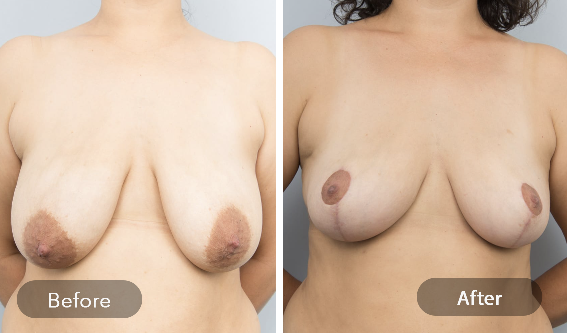
The nipple and areola are moved to the correct position, the excess skin, fat and breast tissue are removed, and the breast surgery is designed to result in a decreased and proportionate shape. It usually involves a scar around the areola, vertically down to the fold under the breast and a scar in the fold itself. It aims to produce breasts that are reshaped to a size proportionate to the patients’ body shape. This can improve the ability to exercise and help many individuals obtain a more comfortable fit in desired clothing. It can also relieve many of the health problems associated with excessively large breasts. It is an operation which has a very high patient satisfaction rate. The operation may attract an item number from Medicare if the criteria are met and therefore some of the costs may be covered by Medicare and your Private Health Fund. A referral is also required from your GP.
Our plastic surgeon, Dr Craig Layt, is highly experienced with this procedure. He would be happy to talk more with you about your goals during the initial consultation. It may be that a breast lift will be most able to achieve the aesthetic you desire.
Any surgical or invasive procedure carries risks. Before proceeding, you should seek a second opinion from an appropriately qualified practitioner.
Our Before & After Gallery
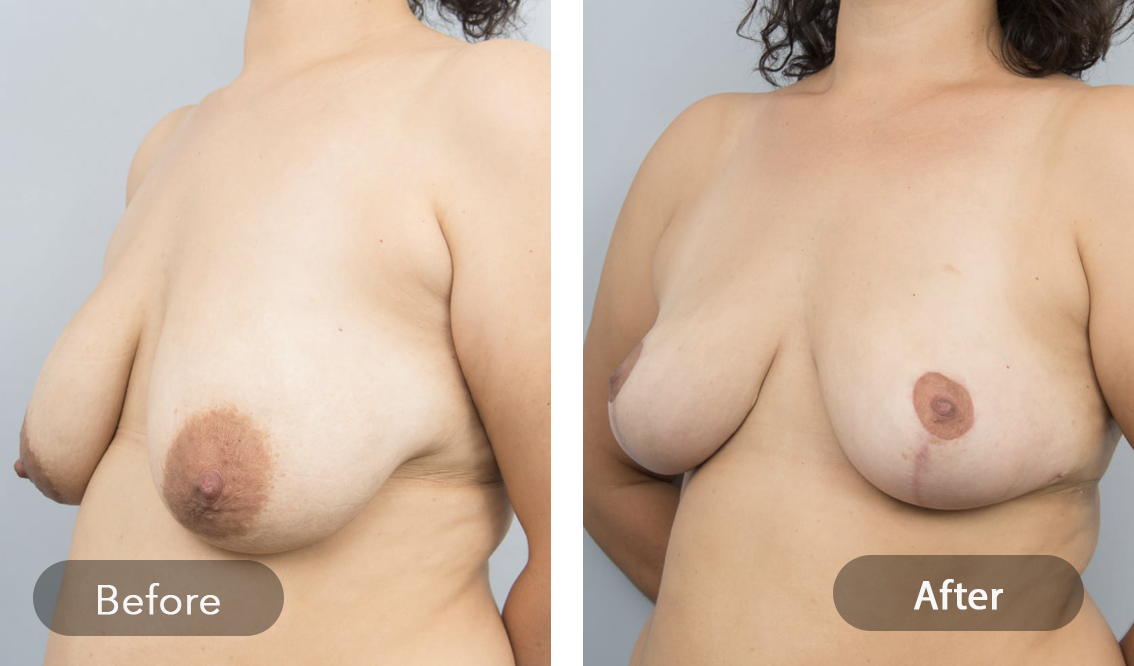
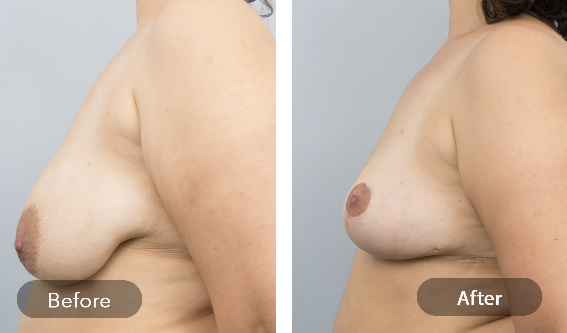
These before and after photos are of patients that have had surgery performed by Dr Layt. These patients have consented to the photos being shown. These are actual photos and have not been altered or digitally enhanced. Every patient is an individual and therefore final surgical results will vary from patient to patient.
Who Is a Breast Reduction Candidate?
Women who have large, heavy breasts, which may be the cause of breathing difficulties, back, shoulder and neck pain, poor posture, bra-strap indentations and chafing under the breasts, are potential candidates for breast reduction. Similarly, women with an excessive breast size who find that the size limits their normal daily activities or exercise routines may benefit from a breast reduction.
Breast Reduction vs. Breast Lift
Breast reduction and breast lift surgeries share similarities in that they can address the appearance of the breasts by removing excess tissue and repositioning the nipple and areola. However, the primary reasons and particulars of the procedures can be quite different:
Breast Reduction (Reduction Mammaplasty)
- Typically a medical procedure elected to ease physical concerns, such as chest, back, or shoulder pain, rashes/irritation from overlapping skin, mobility issues, and poor posture
- Can restore balance and proportion to the body’s frame and physique
- Can provide a more comfortable, lighter, and manageable breast size
- Can address ptosis (drooping/sagging) by refining and reducing the bustline
- Can aid the ability to participate in activities that were previously more difficult with excessively large breasts
Breast Lift (Mastopexy)
- Primarily performed to modify the position of the breasts after weight loss, pregnancy, or for women with poor skin laxity – this can be cosmetic or medical
- Combats breast ptosis by repositioning breasts on the chest wall and giving the breasts a lifted appearance
- Can address breast contours and projection of the nipples
It is best to seek the advice of a qualified plastic surgeon to review your anatomical and aesthetic goals and health needs to determine the appropriate treatment plan just for you.
What Can You Expect After Breast Reduction Surgery?
You will leave the hospital wearing a surgical bra and are advised to wear this style of bra for the following six weeks. It is uncommon to have drains; however, in the rare case of requiring drains to remove excess fluid post-operatively, your breasts will be taped with bandages for 24 – 48 hours after the operation and the drains will be removed at 24 – 48 hours post-surgery. In the rare occurrence of drains being used, once they are removed you will be fitted into a bra, which should be worn day and night for six weeks. There are usually no sutures to be removed as dissolvable sutures are placed under the skin; however, the end of the suture will usually be cut at a post-operative appointment. The breasts often have patchy areas of numbness during the early post-operative period. Tingling, a burning sensation, or shooting pains indicate healing and should not alarm. Some asymmetry is normal after the operation as each breast swells to a different degree.
You should limit any strenuous activity during the first two weeks. Thereafter, you can steadily increase your activity level within the limits of discomfort. You should wear a firm-fitting bra during exercise.
How Noticeable Are Breast Reduction Scars?
Visible scarring following breast reduction surgery will depend on the particular surgical techniques used to remove the excess tissue and fat from the breasts. With that in mind, Dr Layt takes great care with incision and suture design to minimise the appearance of scars as much as possible. How well scars heal and fade predominantly depends on the individual and their own tissues. In most cases, scars gradually fade over time, sometimes a few years. Scar placement is such that the scars are usually well-covered by garments such as bras and swimsuits. If you are interested in treatments to help reduce signs of visible scars, The Layt Clinic offers a variety of scar management options.


What Are the Potential Breast Reduction Risks?
Risks and Complications
Surgery is not an exact science. Incisions and scars are part of any surgery and the location and extent of the incisions will be discussed with you. Every effort is made by the surgeon to minimise scarring. Scars will fade over time, but they are permanent. They can also become hypertrophic or keloid. Scars vary from person to person and are related to each individual’s skin type, genetics and the ability of their skin to heal.
Every surgical procedure involves certain risks and complications (as per the ASPS brochure) including, but not limited to:
Asymmetry is evident physically in every person. No two sides of the body are ever exactly symmetrical in shape, position or size and the surgeon will make every effort to achieve as close to symmetry as possible but some asymmetry is normal.
Delayed Healing, Infection and Suture Reactions can all be possible healing issues and may require antibiotics or in some cases surgical exploration.
Bleeding, Haematoma or Seroma Collections may resolve themselves but, in some cases may require further surgery.
Loss of Sensation and Numbness may also be experienced. In most cases this will improve over time on its own. In some cases this can be permanent.
Bruising and Swelling may also be a short term effect from surgery and will usually settle in one to two weeks.
Allergies to dressings, medical lotions, sutures or other materials can occur with some patients. You will be advised to cease the use of the dressing, lotion or material that is causing the reaction. In some cases anti-inflammatory medication may be prescribed.
Breathing Difficulties may be due to a general anaesthetic or breathing tube during the operation which has caused some swelling, noisy breathing or discomfort.
Blood Clots can also occur in some surgeries and may require urgent treatment and hospitalisation.
Pain thresholds vary from patient to patient. This may lead to different pain management and/or different recovery times to resume normal activities.
Achieving excellent results with minimal risk is a joint effort. It is important to disclosed to the surgeon and clinic and understand the following:
Full disclosure of your medical history including: allergies, personal, physical and mental history, previous surgeries, current medications and co-morbidities (including but not limited to, smoking, vaping, diabetes, prescription and illegal drug addictions, blood or heart disease, obesity or anorexia).
Co-morbidities may impact on outcome and healing post surgery.
Smoking, vaping, or taking recreational drugs must be ceased in the 6 weeks prior to some operations and during the healing phase. Failure to do so may increase the risk of complications, decrease your healing ability and affect your surgical outcome.
You should not take aspirin based prescription drugs 14 days prior to surgery and during the healing phase of the operation unless advised otherwise by the surgeon.
As per the Australian Health Practitioner Regulation Agency (AHPRA), all non-rebatable (cosmetic) procedures require a validated screening of Body Dysmorphia to be undertaken.
If Dr Layt is concerned about your mental state or physical state prior to the procedure, he may request evaluation by a psychologist, psychiatrist, general practitioner or other specialist. This referral is to assess your suitability, increased risks during surgery or any underlying physical or psychological problems which may affect your recovery or mental health.
In some cases this may require surgery to be postponed or cancelled by the doctor in his primary role to consider your care and personal well-being.
Pregnancy may cause breast enlargement, cause the breast tissue to stretch, and a degree of ‘drooping’ of the breast tissue. This may require the breast to be surgically lifted; however, some poor skin integrity may have a tendency to stretch and continue to ‘drop’.
All surgery carries risks and it is important to understand these.
Every patient is an individual and therefore final surgical results will vary from patient to patient. Any surgical or invasive procedure carries risks. Before proceeding, you should seek a second opinion from an appropriately qualified practitioner.
Modern surgery is safe. There is, however, no such thing as risk free surgery. The important thing is to understand any potential risks and minimise their occurrence. You will be fully briefed on pre- and post-operative procedures to assist you with the best possible breast surgery experience, recovery phase and final outcome. Stopping smoking/vaping, being at a healthy weight, and eating well also contribute to minimising risks of surgery.
Frequently Asked Questions
How Much Does Breast Reduction Cost?
Specific Pre-Operative Instructions
Specific Post-Operative Instructions
Contact Us
To schedule a consultation with Dr Craig Layt, or to learn more about Breast Reduction surgery, contact our Gold Coast practice in Queensland today. We will be happy to answer any questions you have.
