
Liposuction is capable of reducing stubborn fat deposits that have collected in isolated areas of the body and are not responding to diet and exercise. Our practice on the Gold Coast, Queensland offers this procedure alone or in combination with other services, such as an abdominoplasty
Jump to a section
- What is liposuction?
- Who is a candidate?
- Liposuction vs Tummy-tuck
- Liposuction vs Coolsculpting®
- Is liposuction safe?
- What can you expect after the operation?
- What are the potential risks?
- How noticeable are liposuction scars?
- What are the side effects of liposuction?
- Pre-operative Instructions
- Post-operative Instructions
Meet Our Surgeons

Dr Craig Layt
Specialist Plastic Surgeon
- ASPS
- RACS
- NZMC
- FRACS
- AMC
Dr Layt is highly credentialed in many areas of Plastic, Cosmetic, and Reconstructive Surgery, as well as a variety of non-surgical cosmetic enhancements.


Dr Paul Ting-Yuan Cheng
Specialist Plastic Surgeon
- FRACS
- MBChB
- BHB
- PGDipSurgAnat
- ASAPS
- RACS
- NZAPS
Dr Cheng is a New Zealand trained Specialist Plastic, Aesthetic and Reconstructive Surgeon.
What is Liposuction?
Liposuction is an operation designed to smooth variations of the body shape that are not improved by diet and exercise. Narrow metal tubes are used to remove excess fat cells. These are inserted by our specialist plastic surgeon through small incisions and moved through the fat areas whilst a vacuum is applied to remove the fat. Tunnels are thus created and these are then collapsed by the use of a compression garment. This can create the new shape.
The operation is generally performed under general anaesthesia as a day case.
Liposuction can help address the shape of specific areas of the body. It can be used in conjunction with other surgery to modify contours.
Any surgical or invasive procedure carries risks. Before proceeding, you should seek a second opinion from an appropriately qualified practitioner.

Our Before & After Gallery
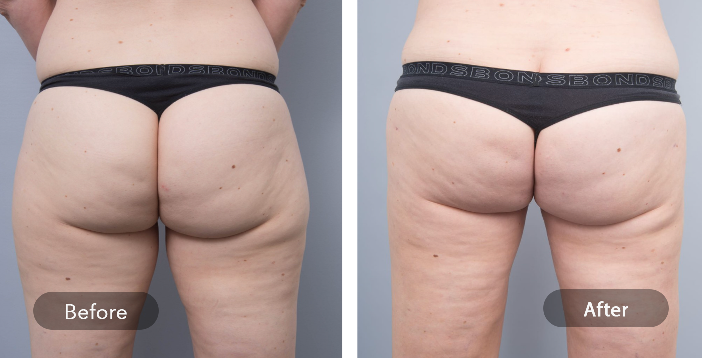
These before-and-after photos are of patients that have had surgery performed by Dr Craig Layt. These patients have consented to the photos being shown. These are actual photos and have not been altered or digitally enhanced. Every patient is an individual and therefore final surgical results will vary from patient to patient.
Who is a candidate for Liposuction?
An ideal liposuction patient will have an initial consultation with Dr Craig Layt, where it will be determined whether the procedure is right for the individual. Liposuction is not a weight loss treatment, and the best candidate is typically someone who is close to their ideal weight. They may have localised deposits of fat that cannot be shifted with diet and exercise. The most common areas are those of the outer thighs, lower abdomen and flanks.
Liposuction vs. Abdominoplasty (Tummy Tuck)
Liposuction and tummy tuck procedures both offer patients treatment options for abdominal contouring. The main difference between the two is that liposuction is designed to reduce excess fat, while tummy tuck surgery (abdominoplasty) is primarily designed to remove excess skin and address other abdominal conditions. Liposuction diminishes stubborn pockets of excess fat that are resistant to diet and exercise by removing the fat through long tubes called cannulas; it cannot tighten the skin and will not have any effect on underlying musculature. An abdominoplasty removes excess skin, repairs and tightens stretched abdominal muscles, and redrapes the remaining skin to create a recontoured abdomen. These procedures can often be performed together if the patient shares both of these concerns and the surgeon determines the patient is a good candidate for the combined surgery.
Liposuction vs.
CoolSculpting®
Liposuction and CoolSculpting® each serve the purpose of reducing excess fat pockets from various regions of the body, including the abdominal area. What sets them apart is the actual procedure to create the body contours, as well as the degree of excess fat that the treatments are capable of addressing. Liposuction is a surgical procedure, usually performed under general anaesthesia, in which small incisions are made in the treatment area. Patients with larger and more significant amounts of excess fat may find liposuction to be more beneficial for their cosmetic goals; this can be evaluated during the initial assessment with our plastic surgeon, who can recommend the best treatment plan. Alternatively, CoolSculpting® is a non-surgical fat reduction treatment that works by cooling the fat cells to a point in which they break down. The targeted fat cells should then filter out of the body via natural metabolism over the next few months. Generally, patients with mild to moderate levels of excess fat can often find success with CoolSculpting®; however, liposuction may be more ideal in cases of more severe levels of excess fat. Our surgeon will evaluate your needs during the initial consultation and determine whether liposuction or CoolSculpting® can provide the best possible outcome.
Liposuction
Photos
These before-and-after photos are of patients who have had surgery performed by Dr Layt. These patients have consented to the photos being shown. These are actual photos and have not been altered or digitally enhanced. Every patient is an individual and therefore final surgical results will vary from patient to patient.
Is Liposuction
Safe?
Liposuction continues to be a very well-researched and clinically supported surgery, with results showing it to be a generally safe and effective cosmetic procedure when performed by a qualified and experienced provider. However, as with any surgery, there are some possible risks to be aware of, including excessive bruising, infection, and immoderate bleeding. Choosing a highly qualified plastic surgeon with proper knowledge and training for liposuction can greatly help to reduce these risks. Prior to the procedure, your surgeon should complete a comprehensive examination of your medical history and overall health to determine if you’re an appropriate candidate, which may help to minimise the risk of complications.
Liposuction – Silicone Implants
Specific Pre-Operative Instructions
WASHING: Wash the evening prior to surgery and the day of surgery paying particular attention to the area to be operated on. This decreases the bacterial count and should decrease the risks of infection.
PRODUCTS: Do not apply moisturisers, make-up, perfume/deodorant, nail polish or hair products after washing. Remove all jewellery.
CLOTHING: Wear loose, comfortable clothing and footwear.
FASTING: You should have nothing to eat or drink for six hours before your operation. If you are required to take medication during this time please speak with your physician to check if this can be taken before the six hour fasting period or after your procedure.
MEDICATION: If you are having the operation as a day case, you will be given a script for antibiotics and pain relief tablets that you will need to purchase from the chemist and bring with you on the day of your procedure. Do not take these prior to surgery. The nursing staff will advise you and your carer after your procedure on how to administer them.
Certain over the counter products and prescription medicines can cause complications before and after surgery. They can reduce the ability of your blood to clot and could increase your tendency to bleed during and after surgery. Do not take any medication containing or related to aspirin two weeks prior to your procedure. This includes NSAIDs, anti-Inflammatory medications, blood thinning medication. Please see your doctor regarding if and when to cease medication. *This is not an all inclusive list*.
Also avoid Vitamin E supplements and red wine. Stop all herbal medications before surgery. The most common herbs used are Echinacea, Ephedra, Garlic, Ginseng, Ginkogo, Kava, St. John’s Wort, and Valerian. They may adversely affect anesthetic drugs, prolong bleeding and impair healing after surgery. Please consult your physician before ceasing any medication.
SMOKING: Smoking and vaping increases the risks of complications significantly and should be ceased 6 – 8 weeks prior to surgery.
ADMINISTRATION: Unfortunately, paperwork is a necessary evil. Each theatre complex has its own procedures. We have attempted to make it all easy by providing a simple series of steps to follow titled “THINGS TO DO FOR YOUR PROCEDURE” specific to the surgery center you are attending. Please follow these instructions. If you have any queries about this or anything else don’t hesitate to contact us on (07) 5597 4100.
Specific Post-Operative Instructions
TAPING: Dr Layt may decide to cover some or all of your suctioned areas with elastic tape. Please remove this prior to your 1st post-operative visit approximately 1 week after surgery. This is best done in the shower, wetting the tape and gradually removing. Bring your second garment to your appointment and we will fit it after you have been accessed.
COMPRESSION GARMENT: Dr Layt will place taping and a compression garment on you after surgery. The extra pressure this garment provides helps reduce swelling and discomfort. You can shower with the garment on, using a hairdryer to dry yourself or bird bath. You should not remove this garment at all until your appointment with Dr Layt, approximately one week after surgery. After that, you can remove the garment for showering and rotate your garments daily for laundering. We want you to have circumferential pressure for 4 to 6 weeks. In some cases, patients may also wear firm fitting workout wear. The fabric should be very firm fitting with consistent compression of the areas treated.
ICE PACKS: A significant amount of bruising accompanies liposuction. Ice packs can be helpful with both swelling and discomfort. After liposuction of the abdomen, it is not uncommon for the groin and genitalia to become markedly swollen and bruised. Do not be alarmed! The swelling and bruises should go away within several weeks. Ice packs should help the discomfort and swelling.
LYMPHATIC DRAINAGE: You may require Lymphatic drainage appointments depending on the size and area of liposuction. These appointments are complimentary treatments with our Para Medical Aesthetician or Nurse. Each appointment will take approximately one hour.
SUNLIGHT: Protect the bruised areas from the sun until the bruising fades completely.
ACTIVITY: You may start walking immediately. You may continue the activities of daily living as you feel able. Do not return to strenuous activities or aerobic exercise for 2 – 3 weeks.
TED STOCKINGS: You may be required to wear TED stockings for compression to prevent DVT (blood clotting) post-operatively. If required these will be fitted at the hospital on your admission day. The nursing staff will advise you on how long you need to wear these for.
MEDICATION: Take your pain relief and antibiotic medication as directed. Any medication you ceased prior to surgery must not be taken after your surgery until you are completely healed or as directed by your physician.
Liposuction is one of the many advanced plastic surgery procedures we offer here at The Layt Clinic. Other options include breast surgery, facelift, non-surgical cosmetic enhancement, and many others. Dr. Layt will be happy to talk with you about additional options if you are considering a more comprehensive cosmetic makeover.


Frequently Asked Questions
What Can You Expect After Liposuction Surgery?
What are the Potential Risks of Liposuction?
What are the Side Effects of Liposuction?
How Noticeable are Liposuction Scars?
Contact Us
To schedule a consultation with Dr Craig Layt, or to learn more about Liposuction surgery, contact our Gold Coast practice in Queensland today. We will be happy to answer any questions you have.
